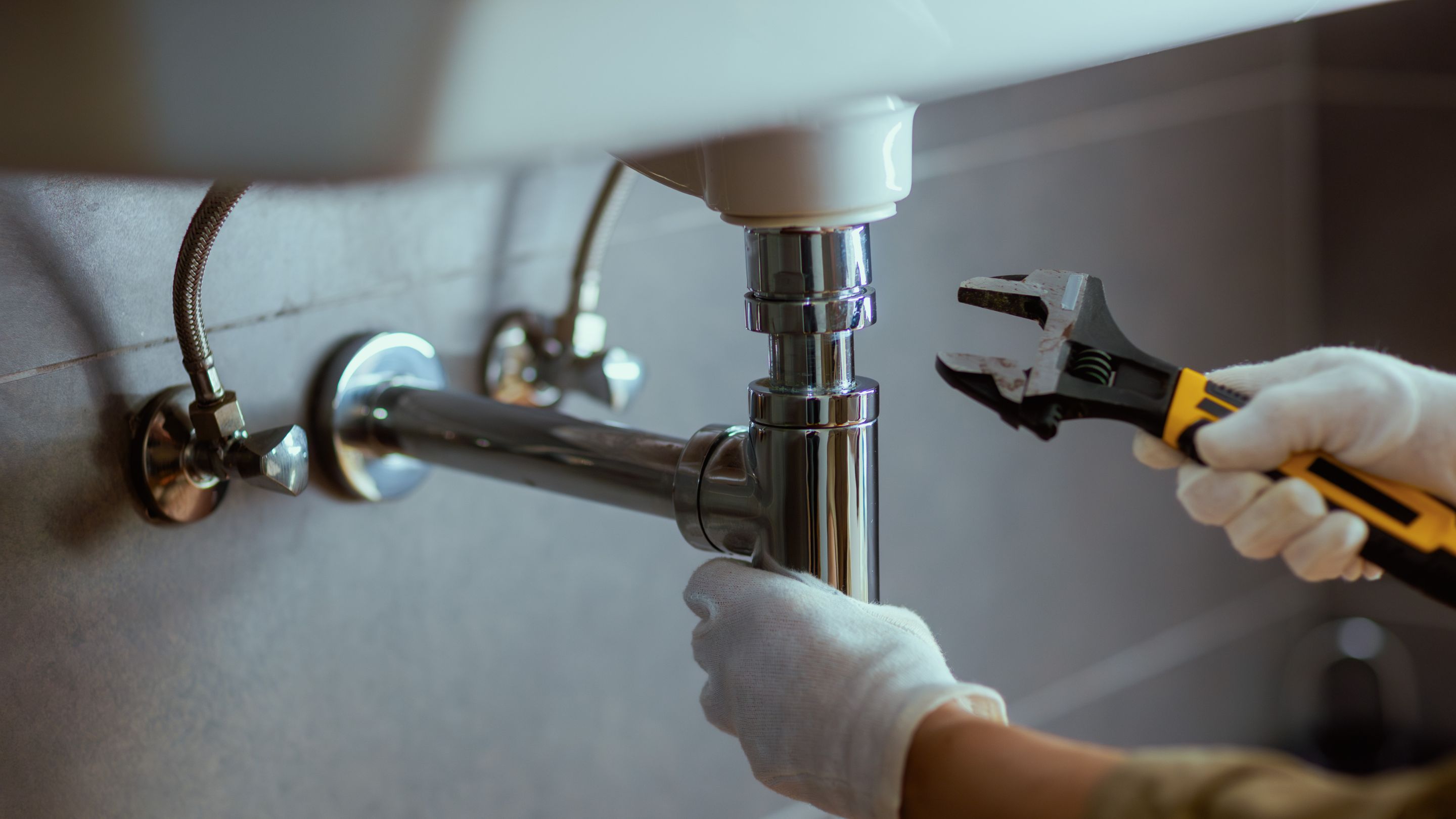
Bath or shower leak: sealant, waste pipe or supply connection?
Learn which observations help distinguish a bath or shower leak and why resealing alone may not resolve it.
A damp patch beside a bath or below a shower is a symptom, not a diagnosis. Resealing the visible edge can look like the obvious answer, but it will not resolve a leaking waste connection or supply fitting beneath it.
Describe when the leak appears
Record whether water appears during use, after draining or while the bathroom is unused. Mention whether the problem began after new fittings, a tile repair or recent plumbing work. Note which room shows the damage and whether another property is involved.
Do not keep using a leaking bath or shower to test a theory. If there is water near electrical equipment or a damaged ceiling, keep clear and arrange urgent professional help.
Separate the investigation from the finish
The first task is to find the source. The next is to decide how to access it and make the repair. Replacing sealant, opening a bath panel and repairing a concealed connection are different scopes of work.
Ask who will reinstate any panel, tile or decoration disturbed during access. Where materials need to dry before finishing, arrange that as a separate stage rather than hiding damp surfaces immediately.
Prepare for access
A photograph of the whole bath or shower is often more useful than only a close-up of the stain. Explain whether there is a removable panel, a ceiling below or access through a neighbouring room. For flats, give the managing agent a clear description if shared access may be required.
Keep previous invoices and a simple timeline of when the leak returned. This helps distinguish a repeat problem from a new fault without assuming that the same component has failed again.
Our bath leak and shower leak pages explain the repair scope. For a finishing issue after the source has been resolved, see sealant replacement.