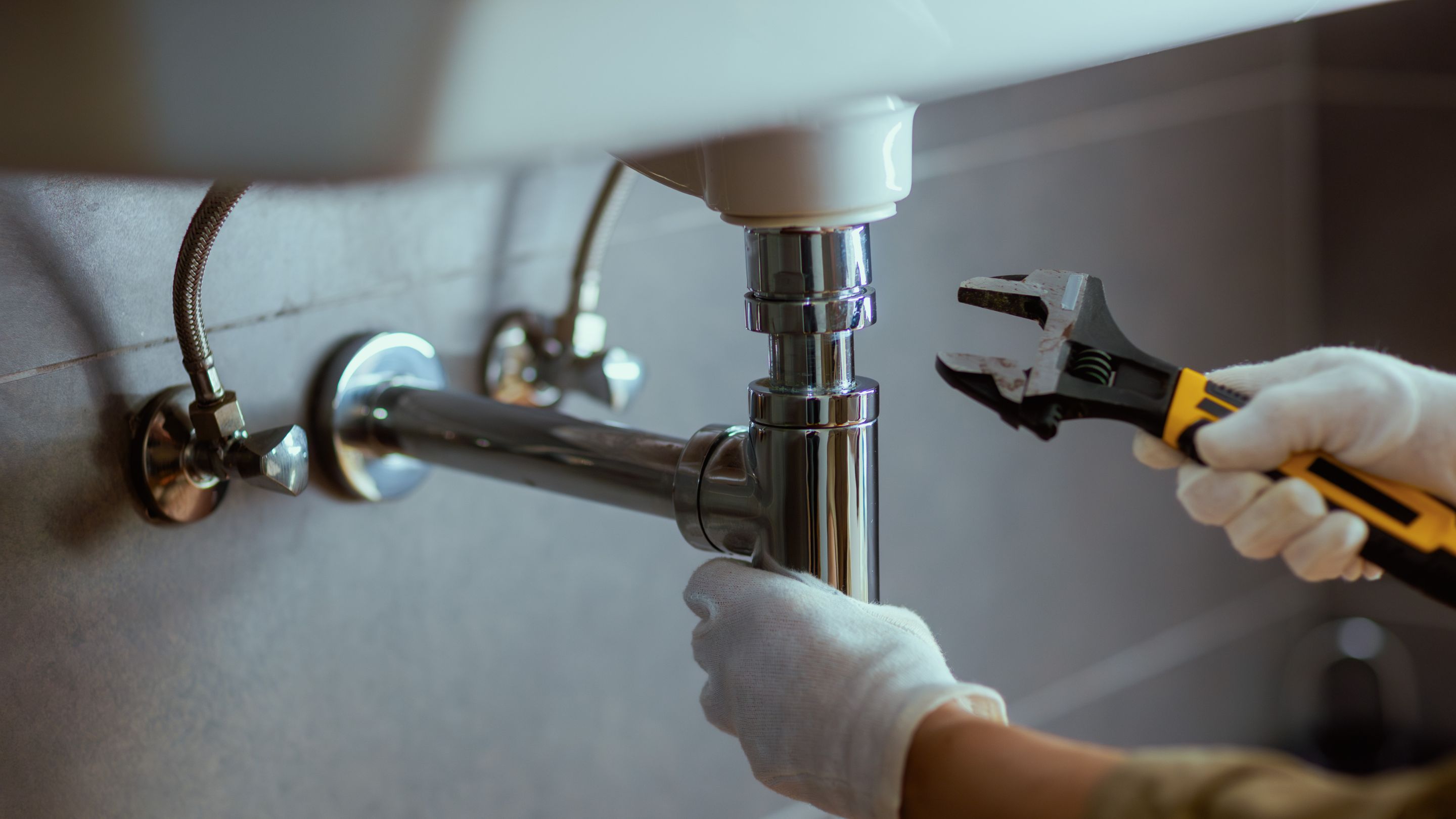
Leaking or blocked toilet: choosing the right repair request
Describe toilet leaks, flush faults and drainage backups clearly so the correct investigation can be planned.
“The toilet is broken” can describe several unrelated problems. Water around the base, water running into the bowl and wastewater failing to drain need different investigations. Naming the symptom helps the team prepare the right visit.
Water around the toilet
Explain whether the water appears near the cistern, supply connection or pan, and whether it follows flushing. A photograph can show where the wet area is, but the source still needs checking because water can run down the outside of a fitting.
If water is spreading, stop using the fitting and arrange help. Avoid dismantling the toilet to identify a part before an assessment, especially where connections are concealed.
Water continually entering the bowl
A running cistern may be quieter than a visible leak, but it is still worth reporting. Describe any constant trickle, repeated filling or flush control that does not return normally. Note the toilet model if you have it; concealed cistern access can affect the work required.
A bowl that will not drain
Do not repeatedly flush a toilet that is backing up. Tell the team whether the sink, shower or another toilet is also affected. A fault limited to one fixture may need a different approach from a blockage involving connected drains.
If shared drainage may be involved, check with the relevant wastewater company before assuming all the work is private. Thames Water explains drainage responsibility; use your own provider where different.
Choose the closest service
Use leaking toilet repairs for escaping water, toilet repair for flush or component faults, and blocked toilet drainage for suspected drain involvement. If you are unsure, describe what you can see instead of selecting a diagnosis.