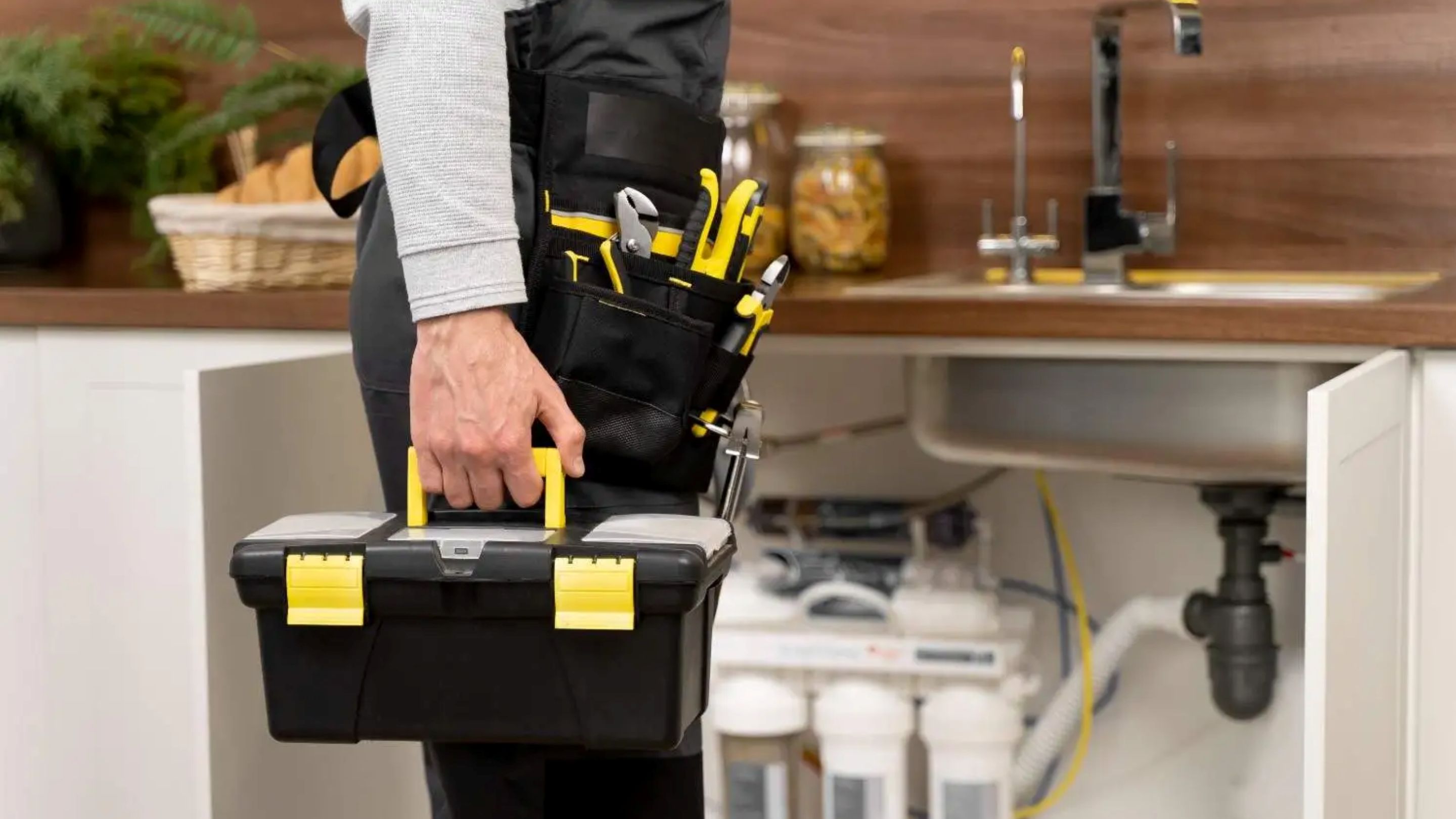
Five boiler maintenance mistakes to avoid before winter
Five common boiler maintenance mistakes London homeowners and landlords can avoid before the cold weather arrives, plus the checks that help prevent winter breakdowns.
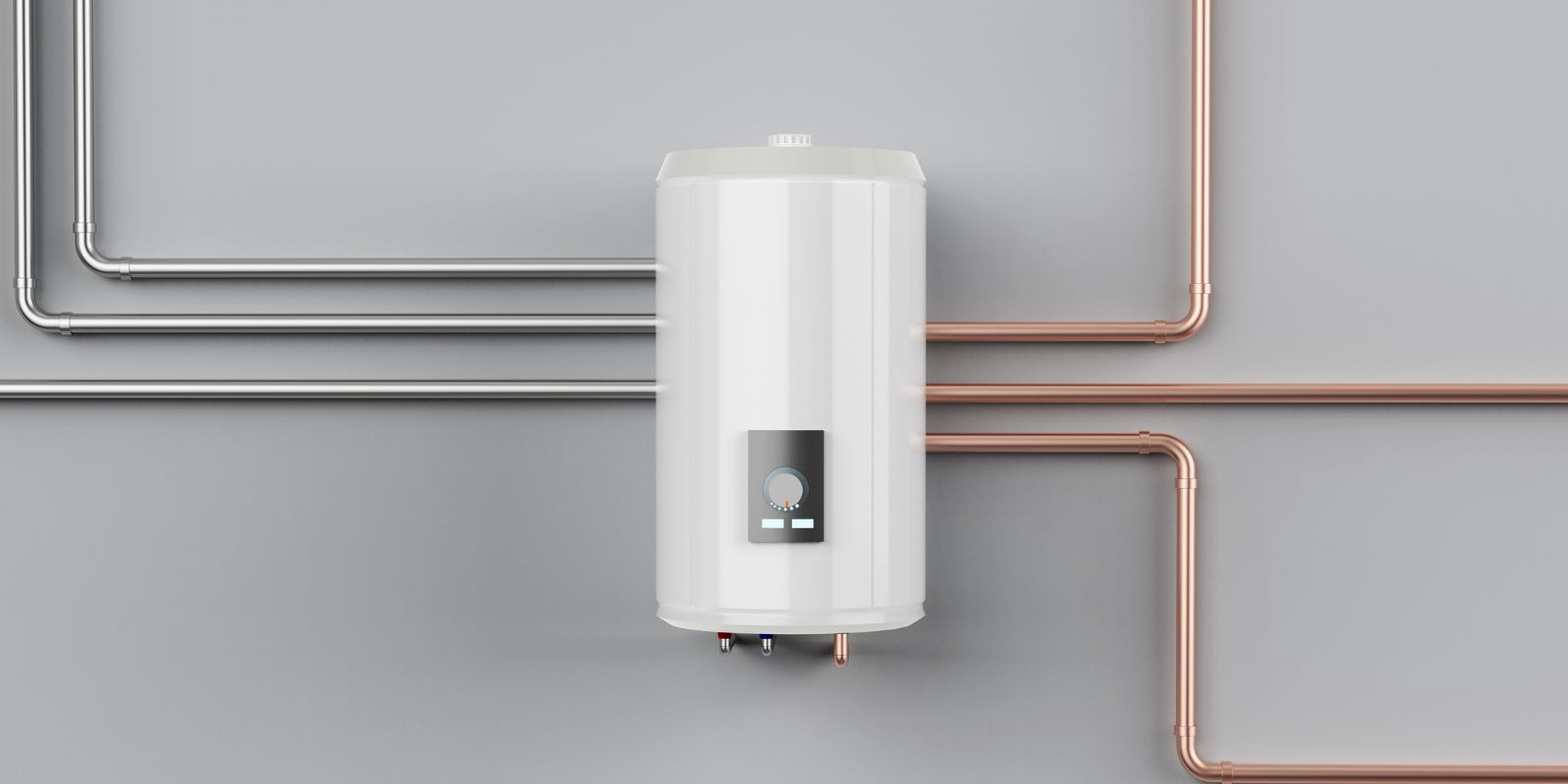
Boiler problems usually show up at the worst possible time, often when the weather turns and the heating suddenly has to work harder. Most winter breakdowns are not random. They are the result of small warning signs being ignored earlier in the year.
If you want to reduce emergency call-outs and keep a property warmer through winter, the safest approach is to catch the small issues early and deal with them properly.
1. Skipping the annual service
Skipping the yearly boiler service is one of the most common mistakes we see. A service is not just box-ticking. It gives an engineer a chance to check the appliance, confirm it is operating safely, and spot wear before it turns into a fault.
That is especially important in rental properties, where the heating needs to stay reliable across the whole season. A boiler that is looked after regularly is less likely to fail on the first cold morning.
2. Ignoring small warning signs
Pressure drops, odd noises, cold radiators, or intermittent hot water problems are all signals that something is not quite right. They may not feel urgent at first, but they often get worse when the system starts working harder.
If a boiler loses pressure more than once, if a reset message keeps appearing, or if the heating takes longer than usual to warm up, it is better to investigate before winter fully sets in.
3. Resetting the boiler over and over
Pressing reset can sometimes get a boiler running again, but repeated resets do not solve the underlying cause. In some cases they can make the fault harder to diagnose later, because the system may briefly clear the error without fixing what caused it.
If a boiler keeps locking out, treat that as a sign that the fault needs a proper inspection. The issue might be electrical, pressure-related, ignition-related, or something as simple as a blocked component that needs cleaning.
4. Waiting until the first cold snap
Many properties are left unchecked until the first really cold week of the year. By then, heating engineers are usually busier and customers are already feeling the impact of the delay.
A better approach is to test the heating before winter arrives. Turn it on early, check how quickly the radiators warm up, listen for unusual noise, and make sure the thermostat and timers are responding properly.
5. Forgetting the rest of the system
The boiler is only one part of the heating system. A complete winter check should also look at:
- Radiator valves and balancing.
- Thermostat and programmer settings.
- System filters and circulation.
- Visible pipework for leaks or corrosion.
- Condensate pipes that may need protection in cold weather.
- Any signs of air in the system or uneven heat across rooms.
If those parts are neglected, the boiler can appear to be the problem even when the real issue sits elsewhere in the system.
What a proper winter check should cover
A sensible pre-winter heating check should confirm that the property can heat evenly, hold pressure, and respond to controls without error. That may sound basic, but those are exactly the areas that usually fail when the weather turns.
For landlords and property managers, the aim is not just to avoid inconvenience. It is to reduce emergency visits, protect tenants from cold weather disruption, and keep the property easier to manage.
When to book a heating engineer
If a boiler keeps losing pressure, making noise, or failing to start reliably, treat it as a proper fault rather than a minor annoyance. The earlier it is inspected, the more likely it is that the repair stays simple.
See our heating service if you need help before winter, or contact our team if you want to book a visit.
For a wider upkeep routine that catches faults before they turn into emergencies, read our London property maintenance checklist. And if a heating failure does turn urgent, our guide to a good 24/7 call-out process explains what to expect when you book. For advice on running heating efficiently and cutting winter costs, the Energy Saving Trust is a useful source.