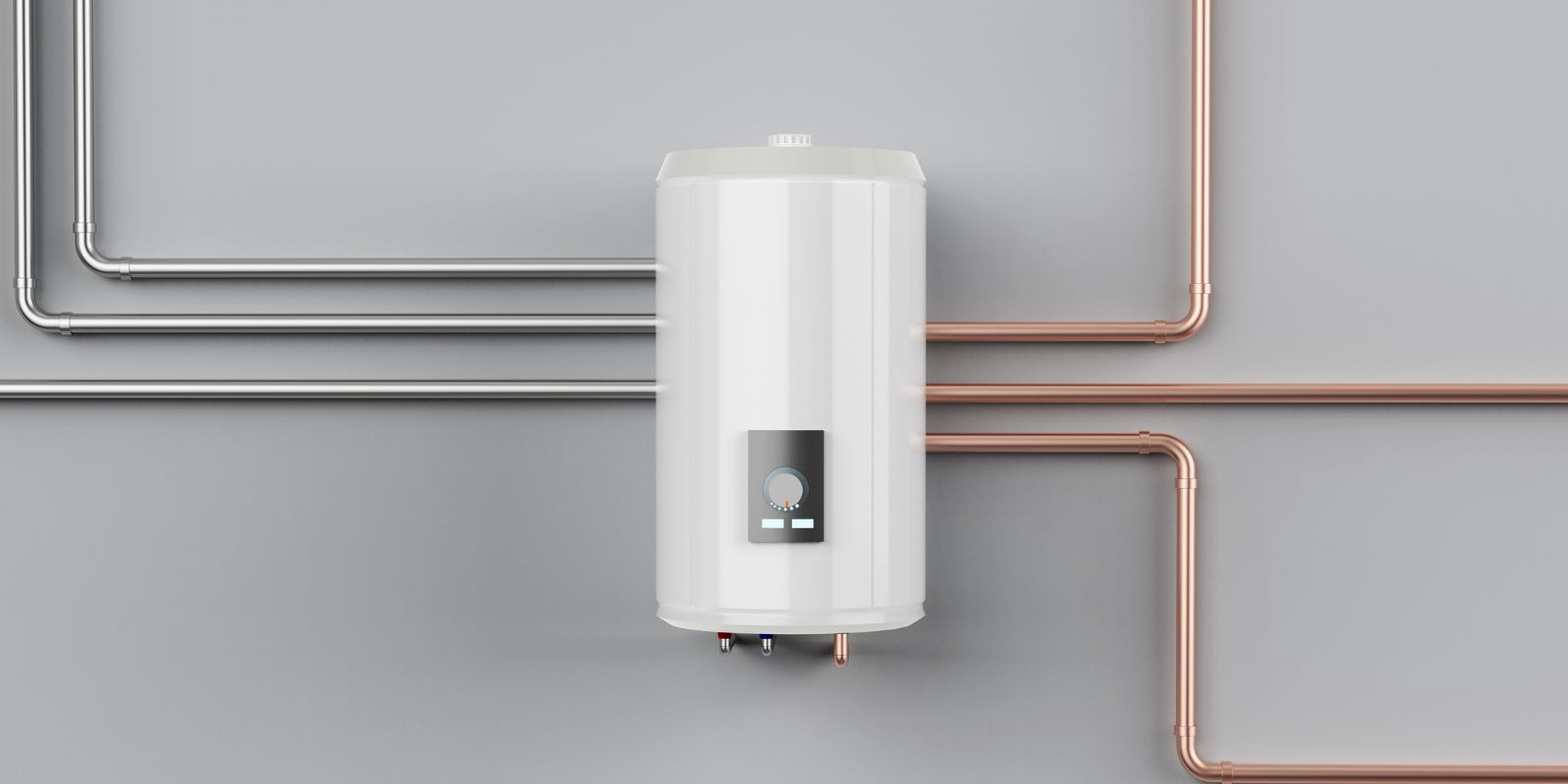
A practical property maintenance checklist for London properties
A monthly property maintenance checklist for London homes and rentals that covers plumbing, heating, drains, safety, and record keeping before small faults become emergency call-outs.

If you own or manage property in London, a simple maintenance routine can save a lot of time, money, and stress. The best property maintenance checklist is the one people actually use, which means it needs to be practical, repeatable, and focused on the issues that turn into expensive call-outs.
For landlords, homeowners, and letting agents, the goal is to catch small faults before they become a leak, a heating breakdown, or a drainage emergency.
Monthly checks that catch small issues
Walk through each property once a month and look for the problems that are easiest to miss day to day. Start with the spaces where water, heat, and wear tend to show up first.
- Check under sinks and around appliances for drips.
- Look at sealant, grout, and joints in kitchens and bathrooms.
- Listen for noisy pipework, banging, or slow-filling cisterns.
- Check for damp patches, staining, or musty smells.
- Make sure extractor fans, vents, and windows are working properly.
- Note anything that seems to be getting worse rather than staying stable.
You do not need to turn a monthly inspection into a full survey. The point is to notice small changes early enough to act on them.
Seasonal maintenance matters too
Different problems show up at different times of the year. A good London property maintenance checklist should change with the seasons.
In spring, check for winter damage, loose fittings, and any leaks that may have developed while the heating was working harder. In summer, use the quieter period to handle decorating, small repairs, and boiler servicing before demand picks up again.
In autumn, focus on heating, drainage, and weatherproofing. Test the boiler before the first cold spell, clear external drains where needed, and look for gaps or worn seals that could let in drafts or water.
In winter, keep an eye on pressure loss, frozen pipe risk, condensation, and any sign that a property is struggling to stay warm. Those issues often start small and become urgent quickly.
Keep a simple maintenance log
A log makes recurring maintenance much easier to manage. When something needs attention, write down:
- The date.
- The exact location.
- A short description of the issue.
- A photo if one is helpful.
- What action was taken.
- Whether a contractor still needs to return.
That record is useful for tenant communication, contractor handover, and long-term planning. It also helps you spot the same fault coming back at regular intervals, which is often a sign that the underlying cause has not been fixed.
Know what can wait and what cannot
Not every fault is equally urgent, and a good checklist should reflect that. A dripping tap may be annoying, but a leak, a heating failure, or a blocked drain needs a faster response.
As a rough rule, anything involving active water damage, gas, heating, or drainage should move up the list quickly. Cosmetic issues can often be scheduled in around other work.
A practical copy of the checklist
If you want a very short version to use each month, check these five things:
- Look for leaks, damp, and signs of water damage.
- Test heating and hot water before the season changes.
- Inspect bathrooms, kitchens, and utility areas for wear.
- Record anything that keeps recurring.
- Book a professional visit when the problem looks bigger than a quick fix.
If a leak keeps returning, a boiler is losing pressure, or drainage starts to slow, it is usually better to book a proper visit than to keep patching. See our plumbing, heating, and drains services for the kinds of issues we handle.
If you want a scheduled property check, contact the team.
For landlords and agents handling several sites, see how to manage maintenance across multiple properties. And before the cold weather arrives, our guide to boiler maintenance mistakes is worth a read. For energy-saving and home-maintenance tips, the Energy Saving Trust is a helpful independent source.